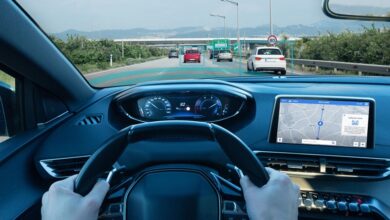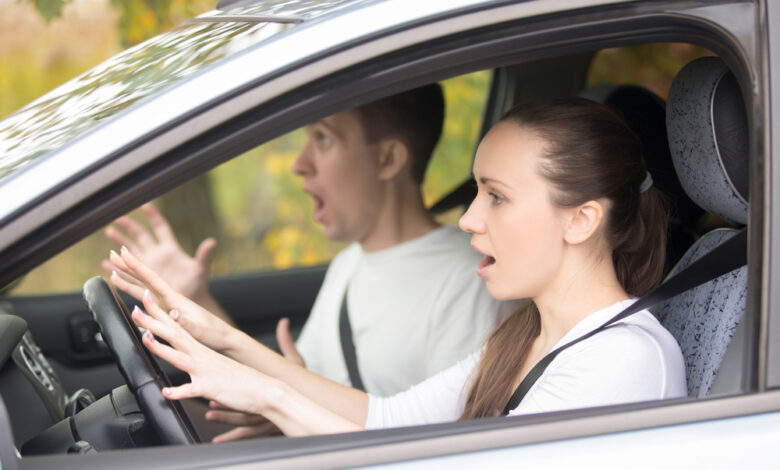
Reaction time is one of the most important factors in safe driving. It determines how quickly a driver can respond to sudden braking, unexpected pedestrians, changing traffic signals, or hazards on the road. Even a small delay in response can increase the risk of accidents. Improving reaction time requires attention, preparation, physical readiness, and smart driving habits.
This guide explains practical ways drivers can sharpen their response speed and stay safer in everyday traffic situations.
Understand What Reaction Time Means in Driving
Reaction time refers to the interval between noticing a hazard and responding appropriately. This response may include braking, steering, or adjusting speed.
Several factors influence reaction time:
- Mental alertness
- Physical condition
- Road visibility
- Speed of the vehicle
- Level of distraction
- Driving experience
Drivers who remain attentive and prepared are more capable of responding quickly and safely.
Maintain Proper Driving Focus at All Times
Staying focused is the foundation of fast reaction time. A distracted driver reacts slower than an attentive one.
Ways to maintain focus while driving include:
- Keep both hands on the steering wheel
- Scan the road ahead continuously
- Avoid unnecessary conversations while navigating complex traffic
- Observe movement of surrounding vehicles
Consistent awareness helps drivers detect hazards earlier and respond more effectively.
Avoid Mobile Phone Usage While Driving
Using a mobile phone significantly reduces reaction speed. Even brief attention shifts can delay braking decisions.
To reduce distraction risks:
- Keep the phone out of reach while driving
- Use navigation guidance before starting the journey
- Avoid texting or answering calls during movement
- Stop the vehicle safely if communication is necessary
Removing digital distractions improves decision making in critical situations.
Maintain a Safe Following Distance
Maintaining distance from the vehicle ahead gives drivers extra time to react when traffic suddenly slows.
Benefits of safe spacing include:
- More time to brake smoothly
- Reduced risk of rear end collisions
- Better visibility of road conditions ahead
- Increased control during emergencies
Increasing following distance becomes even more important during rain or fog.
Improve Mirror Checking Habits
Regular mirror checks allow drivers to monitor surrounding traffic without turning away from the road ahead for too long.
Effective mirror usage involves:
- Checking mirrors every few seconds
- Observing vehicles approaching from behind
- Confirming lane clearance before changing direction
- Combining mirror checks with quick shoulder checks
Better awareness of nearby vehicles improves response timing during lane changes.
Adjust Speed According to Road Conditions
Driving too fast reduces available reaction time. Controlling speed according to surroundings helps drivers respond safely.
Situations requiring reduced speed include:
- Busy intersections
- Residential areas
- School zones
- Sharp curves
- Poor weather conditions
Driving at a controlled speed provides more time to assess risks and take action.
Stay Physically Alert Before Driving
Physical condition directly affects how quickly drivers react to unexpected situations.
To stay physically alert:
- Get enough sleep before long drives
- Avoid driving when feeling tired
- Stay hydrated during travel
- Take short breaks during extended journeys
An alert body supports faster mental processing and safer responses.
Anticipate Traffic Behavior Around You
Experienced drivers react faster because they anticipate potential risks before they happen.
Anticipation techniques include:
- Watching brake lights of vehicles ahead
- Observing pedestrian movement near crossings
- Identifiying sudden lane shifts by nearby vehicles
- Noticing vehicles approaching intersections quickly
Anticipation transforms reaction from delayed response into prepared action.
Practice Smooth Steering and Braking Control
Drivers who practice smooth vehicle control respond more effectively during emergencies.
Helpful habits include:
- Applying gradual braking instead of sudden pressure
- Keeping both hands steady on the steering wheel
- Avoiding sharp steering movements unless necessary
- Maintaining consistent speed in flowing traffic
Controlled movements improve vehicle stability during quick reactions.
Improve Visibility for Faster Decision Making
Clear visibility allows drivers to recognize hazards sooner and react earlier.
Visibility improvement tips include:
- Keep windshield clean inside and outside
- Adjust mirrors correctly before starting the journey
- Use headlights appropriately during low light conditions
- Replace worn wiper blades regularly
Better visibility supports quicker recognition of road conditions.
FAQ
Does driving experience naturally improve reaction time
Yes. Experience helps drivers recognize patterns in traffic behavior and respond more confidently to unexpected situations.
Can listening to loud music affect driving reaction time
Loud music can reduce concentration and awareness of surrounding sounds such as horns or emergency vehicles, which may delay responses.
How does stress affect reaction time while driving
Stress reduces focus and decision making ability, making drivers slower to react in critical moments.
Is reaction time different in city driving compared to highway driving
City driving requires faster reactions due to frequent stops, pedestrians, and intersections, while highway driving demands sustained alertness at higher speeds.
Can regular exercise help improve reaction time for drivers
Yes. Physical activity improves coordination, alertness, and overall responsiveness, which supports quicker reactions while driving.
Do older drivers need different strategies to maintain reaction time
Older drivers benefit from maintaining proper rest, regular vision checks, and avoiding night driving when visibility becomes challenging.
How does weather influence driver reaction time
Rain, fog, and low visibility conditions increase stopping distance and require drivers to respond earlier and more carefully than usual.