

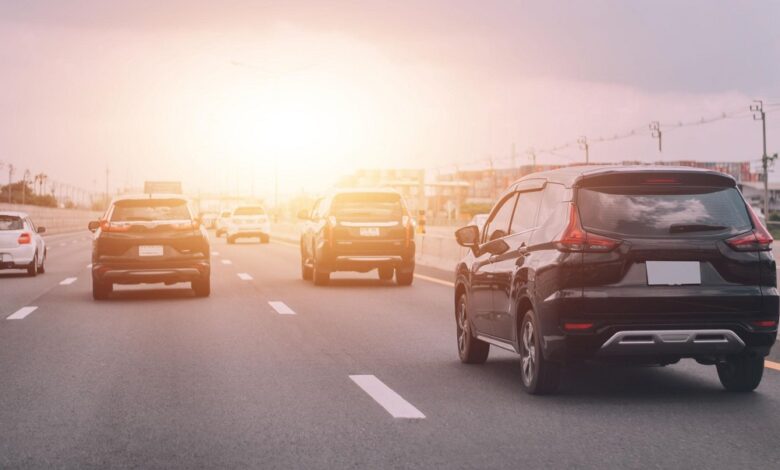
Introduction to Vehicles
A vehicle is a machine designed to transport people or goods from one location to another. It plays a central role in modern life by supporting daily commuting, trade, emergency services, tourism, and industrial operations. From simple bicycles to advanced electric cars and aircraft, vehicles have transformed how societies function and grow.
The evolution of vehicles reflects human innovation. Early transportation relied on animals and carts, while modern vehicles incorporate sophisticated engineering, automation, and digital technologies to improve speed, safety, and efficiency.
Classification of Vehicles
Vehicles can be categorized based on their function, structure, and mode of operation. Understanding these categories helps identify their uses across different sectors.
1. Based on Mode of Transport
Vehicles operate across multiple transportation environments:
- Road vehicles such as cars, buses, trucks, scooters, and motorcycles
- Rail vehicles including trains and metro systems
- Water vehicles such as ships, boats, and submarines
- Air vehicles including airplanes, helicopters, and drones
Each category serves a specialized purpose depending on terrain and travel requirements.
2. Based on Purpose
Vehicles are also classified according to their intended use:
- Passenger vehicles designed for personal travel
- Commercial vehicles used for transporting goods
- Emergency vehicles like ambulances and fire trucks
- Agricultural vehicles such as tractors and harvesters
- Military vehicles built for defense operations
This classification reflects the versatility of vehicles in supporting different industries.
3. Based on Fuel Type
Modern vehicles operate using several energy sources:
- Petrol vehicles
- Diesel vehicles
- Electric vehicles
- Hybrid vehicles
- Hydrogen fuel cell vehicles
Electric and hybrid vehicles are gaining popularity due to their reduced environmental impact and improved energy efficiency.
Major Components of a Vehicle
A vehicle consists of several interconnected systems that ensure proper performance and safety.
Engine
The engine generates power required to move the vehicle. It converts fuel energy into mechanical motion.
Transmission System
The transmission transfers power from the engine to the wheels. It allows the driver to control speed and torque.
Braking System
The braking system slows down or stops the vehicle safely. It plays a critical role in preventing accidents.
Suspension System
Suspension improves ride comfort by absorbing shocks from uneven roads. It also enhances vehicle stability.
Steering System
The steering system controls direction and ensures smooth handling during movement.
Together, these systems ensure reliable vehicle operation under various conditions.
Importance of Vehicles in Daily Life
Vehicles contribute significantly to economic development and social mobility. Their importance can be observed across multiple sectors.
Transportation Efficiency
Vehicles reduce travel time and improve accessibility between cities and rural areas.
Support for Trade and Industry
Commercial vehicles enable transportation of raw materials and finished goods, strengthening supply chains.
Emergency Services
Ambulances, fire trucks, and rescue vehicles save lives during critical situations.
Employment Opportunities
The automotive sector generates employment in manufacturing, servicing, logistics, and infrastructure development.
Vehicles are therefore essential for maintaining productivity and connectivity in modern societies.
Advantages of Modern Vehicles
Technological advancements have improved vehicle performance and usability in several ways.
Key benefits include:
- Enhanced safety through airbags and braking technologies
- Improved fuel efficiency
- Comfortable travel experience
- Faster long-distance transportation
- Integration of smart navigation systems
These improvements continue to reshape transportation standards globally.
Environmental Impact of Vehicles
Despite their advantages, vehicles also affect the environment.
Major concerns include:
- Air pollution from fuel combustion
- Noise pollution in urban areas
- Traffic congestion in densely populated cities
- Dependence on fossil fuels
To address these challenges, governments and manufacturers are investing in cleaner transportation technologies such as electric vehicles and alternative fuels.
Future Trends in Vehicle Technology
The future of vehicles is shaped by innovation and sustainability goals.
Emerging trends include:
- Autonomous driving technology
- Expansion of electric mobility infrastructure
- Integration of artificial intelligence in navigation systems
- Connected vehicles using smart communication networks
- Development of eco-friendly fuel alternatives
These advancements aim to make transportation safer, smarter, and more sustainable.
Conclusion
Vehicles remain one of the most important inventions in human history. They support economic growth, improve mobility, and connect communities across regions. With continuous technological progress and environmental awareness, future vehicles are expected to become cleaner, safer, and more intelligent, ensuring efficient transportation for generations to come.
Frequently Asked Questions
1. What is the basic function of a vehicle
A vehicle is designed to transport people or goods efficiently from one location to another using mechanical or electrical power.
2. Which fuel type is considered most environmentally friendly for vehicles
Electric vehicles are generally considered more environmentally friendly because they produce no direct exhaust emissions during operation.
3. Why is the braking system important in a vehicle
The braking system ensures safe stopping and helps prevent accidents by controlling vehicle speed effectively.
4. What factors affect vehicle fuel efficiency
Fuel efficiency depends on engine condition, driving habits, vehicle weight, road conditions, and maintenance practices.
5. How do hybrid vehicles differ from electric vehicles
Hybrid vehicles use both a fuel engine and an electric motor, while electric vehicles operate entirely on battery power.
6. What role do vehicles play in economic development
Vehicles support trade, logistics, employment generation, and connectivity between industries and communities.
7. What technologies are shaping the future of vehicles
Autonomous driving systems, artificial intelligence integration, electric propulsion, and smart connectivity are key technologies shaping the future of transportation.


