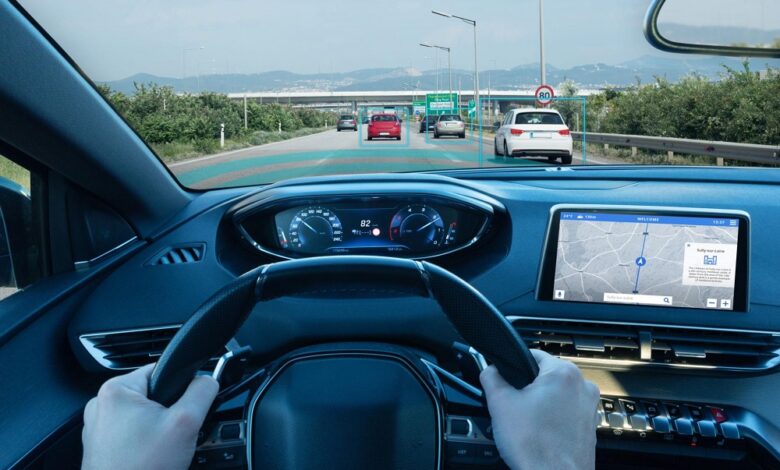
Driving is a skill that combines awareness, responsibility, and decision-making. Whether someone is a beginner or an experienced motorist, improving driving habits reduces accident risks and enhances comfort behind the wheel. Safe driving depends not only on technical ability but also on attitude, preparation, and anticipation.
This guide presents practical driving tips that help drivers stay confident, alert, and safe in everyday traffic conditions.
Prepare Before You Start Driving
Preparation plays an essential role in preventing problems on the road. A few simple checks before starting the vehicle can significantly improve safety.
Important preparation steps include:
- Adjust the seat so your knees remain slightly bent while reaching the pedals comfortably
- Position mirrors to minimize blind spots
- Wear your seatbelt properly across shoulder and waist
- Ensure sufficient fuel level
- Check tire condition and pressure
- Confirm headlights and indicators are working
A prepared driver reacts faster and avoids unnecessary distractions while driving.
Maintain the Correct Driving Posture
Proper posture improves vehicle control and reduces fatigue during long trips.
Key posture habits include:
- Keep both hands positioned at approximately 9 and 3 on the steering wheel
- Sit upright with back supported by the seat
- Maintain a safe distance from the steering wheel
- Keep your head aligned with the headrest
Correct posture allows faster reaction time in unexpected situations.
Follow Defensive Driving Principles
Defensive driving means anticipating hazards instead of reacting late. It is one of the most effective ways to prevent accidents.
Defensive driving techniques include:
- Maintain a safe following distance from the vehicle ahead
- Observe traffic signals and road signs carefully
- Avoid aggressive acceleration or braking
- Stay alert to pedestrian crossings
- Watch for unpredictable drivers nearby
A defensive mindset helps drivers remain prepared for sudden changes in traffic flow.
Control Speed According to Road Conditions
Speed control is essential for safe driving in varying environments. Even experienced drivers must adapt speed based on surroundings.
Situations requiring reduced speed include:
- Heavy traffic areas
- Rain or fog conditions
- Sharp curves or narrow roads
- School zones and residential streets
- Construction zones
Driving at an appropriate speed allows enough time to respond to hazards.
Use Mirrors Effectively While Driving
Mirrors help drivers stay aware of surrounding vehicles and reduce blind spots.
Mirror usage tips include:
- Check mirrors every few seconds while driving
- Always check mirrors before changing lanes
- Adjust mirrors before starting the trip
- Combine mirror checks with shoulder checks
Consistent mirror use improves awareness and prevents collisions.
Avoid Distractions Behind the Wheel
Driver distraction is one of the most common causes of accidents. Maintaining full attention ensures safer driving decisions.
Common distractions to avoid include:
- Using mobile phones
- Eating while driving
- Adjusting music continuously
- Turning around while talking to passengers
- Searching for items inside the vehicle
Focused driving keeps both the driver and others safe on the road.
Keep a Safe Following Distance
Maintaining sufficient distance from the vehicle ahead provides time to react during sudden stops.
A useful method is the three second rule:
- Choose a stationary object ahead
- Count three seconds after the vehicle in front passes it
- Ensure your vehicle reaches the object after the count
Increase the distance further during poor weather conditions.
Use Indicators Properly
Indicators communicate your intentions to other drivers. Proper signaling prevents confusion and unexpected movements.
Always signal when:
- Changing lanes
- Turning at intersections
- Entering or exiting highways
- Parking or pulling over
Clear signaling improves coordination among road users.
Practice Safe Night Driving Habits
Driving at night requires extra attention because visibility decreases significantly.
Night driving safety tips include:
- Use low beam headlights when facing oncoming vehicles
- Reduce speed slightly compared to daytime driving
- Keep windshield clean for better visibility
- Avoid staring directly at bright headlights
- Stay alert for pedestrians and animals
Proper lighting and alertness reduce nighttime risks.
Stay Calm in Traffic Congestion
Traffic jams can create frustration and unsafe driving behavior. Staying calm helps maintain better control.
Helpful habits during congestion include:
- Maintain steady spacing from other vehicles
- Avoid unnecessary lane changes
- Stay patient during delays
- Monitor surrounding traffic continuously
Calm drivers make safer decisions even in stressful conditions.
Understand Road Signs and Signals Clearly
Traffic signs guide drivers through safe navigation and prevent confusion at intersections and highways.
Important sign categories include:
- Warning signs
- Mandatory signs
- Informational signs
- Directional signs
Understanding these signs improves decision making and reduces mistakes.
FAQ About Driving Tips
How often should beginners practice driving to improve confidence
Beginners should practice regularly in low traffic environments before gradually moving to busier roads. Consistent practice helps build control and judgment.
What is the safest way to handle sudden braking situations
Press the brake firmly while maintaining steering control and avoid sudden steering movements unless necessary to avoid a collision.
Why is maintaining tire pressure important for safe driving
Correct tire pressure improves braking performance, fuel efficiency, and vehicle stability on the road.
How can drivers reduce fatigue during long journeys
Drivers should take short breaks every two hours, stay hydrated, and avoid driving when feeling sleepy.
What should drivers do when another vehicle is following too closely
Maintain steady speed, avoid sudden braking, and allow the tailgating vehicle to pass safely when possible.
Is it safer to drive slower than traffic speed
Driving excessively slower than surrounding traffic can also be risky. Maintaining a balanced speed consistent with traffic flow is safer.
How can drivers improve awareness of blind spots
Drivers should adjust mirrors properly and perform quick shoulder checks before changing lanes or merging into traffic.