

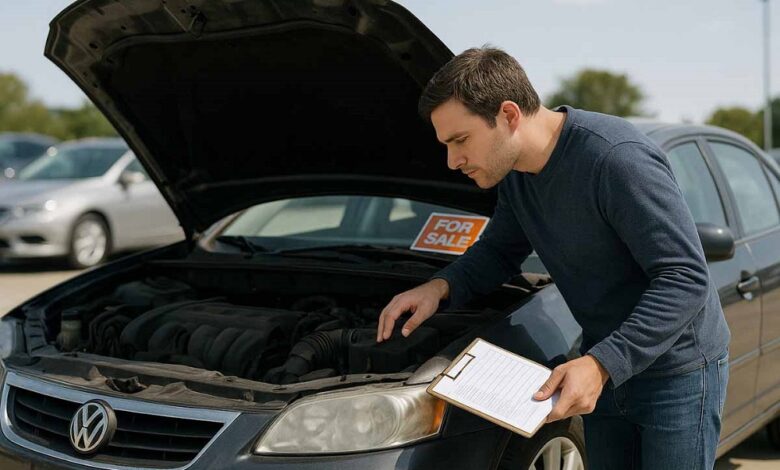
Buying a used car can be a smart financial decision when done carefully. A well-maintained pre-owned vehicle often delivers excellent value, lower depreciation, and reduced insurance costs compared to a new one. However, the process requires attention to detail, proper verification, and informed decision-making to avoid hidden risks.
This guide explains how to evaluate a used car confidently, verify documents correctly, and negotiate effectively so that your purchase remains safe and worthwhile.
Why Buying a Used Car Makes Sense
A used vehicle offers several advantages for buyers who want reliability without overspending.
Key benefits include:
- Lower purchase price compared to a new vehicle
- Slower depreciation after purchase
- Reduced insurance premium in most cases
- Access to higher variants within the same budget
- Lower registration and ownership transfer expenses in many regions
When chosen carefully, a used car can deliver years of dependable performance at a fraction of the cost of a new one.
How to Choose the Right Used Car
Selecting the right vehicle starts with clarity about your requirements.
Consider the following factors before searching:
- Budget including insurance and transfer charges
- Fuel type based on driving distance
- Manual or automatic transmission preference
- Seating capacity requirements
- Expected maintenance costs
- Availability of service centers nearby
Shortlisting two or three suitable models improves decision accuracy and saves time during inspection.
Where to Buy a Used Car
Used vehicles can be purchased through several channels. Each option has its own advantages and limitations.
Common purchase sources include:
- Authorized dealership certified vehicles
- Online car marketplaces
- Local brokers
- Direct purchase from individual owners
Certified dealership vehicles often include warranty support and inspection reports, while direct owner purchases may offer better pricing flexibility.
Exterior Inspection Checklist
The exterior condition reveals how the vehicle has been maintained.
Inspect carefully for:
- Paint mismatch indicating accident repairs
- Uneven panel gaps
- Rust near wheel arches or door edges
- Tire condition and tread depth
- Windshield cracks or replacements
Small cosmetic issues are acceptable, but structural repairs require deeper investigation.
Engine and Mechanical Condition
The engine is the most critical component of any vehicle purchase decision.
Check the following indicators:
- Smooth engine start without unusual noise
- No excessive smoke from exhaust
- Clean engine oil condition
- No visible fluid leakage
- Stable idle performance
If unsure, always request a professional inspection from a trusted mechanic.
Interior Condition Evaluation
Interior wear often reflects actual vehicle usage.
Inspect these elements carefully:
- Seat condition and stitching
- Dashboard functionality
- Air conditioning performance
- Infotainment system operation
- Steering wheel wear compared with claimed mileage
Excessive interior wear may indicate higher usage than reported.
Essential Documents to Verify Before Purchase
Document verification protects buyers from legal and financial complications.
Important documents include:
- Registration certificate
- Valid insurance policy
- Pollution certificate
- Service history records
- Road tax payment confirmation
- No objection certificate if vehicle registered in another region
Ensure the chassis number matches official documentation before proceeding.
Importance of a Test Drive
A test drive helps confirm whether the vehicle performs as expected.
During the drive, observe:
- Steering alignment
- Brake response
- Gear shifting smoothness
- Suspension noise over uneven roads
- Engine vibration levels
Drive in both city traffic and open roads if possible to evaluate overall performance.
How to Negotiate the Best Price
Price negotiation should be based on facts rather than assumptions.
Strong negotiation points include:
- Tire replacement requirement
- Insurance renewal due soon
- Minor repair needs
- Lack of service history documentation
- Ownership transfer costs
Being prepared with market price comparisons strengthens your bargaining position.
Ownership Transfer Process
Ownership transfer ensures legal responsibility shifts to the buyer.
Typical steps include:
- Signing transfer forms
- Submitting identity documents
- Updating registration details
- Paying applicable transfer charges
- Receiving updated ownership confirmation
Completion of transfer formalities should never be delayed after purchase.
Maintenance Tips After Buying a Used Car
Proper maintenance extends vehicle lifespan significantly.
Recommended actions immediately after purchase:
- Change engine oil and filters
- Replace air filter if needed
- Inspect brake pads
- Check battery condition
- Perform wheel alignment and balancing
Preventive maintenance reduces unexpected repair costs later.
Frequently Asked Questions
How many kilometers is considered acceptable for a used car purchase
A vehicle driven between 10000 and 15000 kilometers annually is generally considered normal usage. Condition and service history matter more than mileage alone.
Is buying a second owner vehicle safe
Yes, provided service records are complete and ownership history is transparent. Always verify documentation carefully before purchase.
Should I prefer petrol or diesel when buying a used car
Petrol cars suit shorter city driving distances, while diesel vehicles are more economical for frequent long-distance travel.
Is it necessary to buy extended warranty for a used car
Extended warranty is useful if the vehicle is relatively new and available through a certified dealership program.
Can I transfer car insurance to my name after purchase
Yes, insurance must be transferred to the new owner immediately after ownership transfer to maintain legal validity.
What is the ideal age of a used car to purchase
Vehicles between three and five years old often provide the best balance between price and condition.
Should I get a mechanic inspection before finalizing the purchase
Yes, a professional inspection helps identify hidden mechanical issues and prevents costly mistakes later


