Auto parts are the individual components that work together to make a vehicle operate safely, efficiently, and reliably. From the engine to the smallest electrical connector, each part plays a specific role in performance, comfort, safety, and durability. Understanding auto parts helps vehicle owners maintain their cars properly, reduce repair costs, and make smarter purchasing decisions when replacements are needed.
This article explains the major categories of auto parts, their functions, types, maintenance considerations, and practical tips for selecting the right components.
What Are Auto Parts
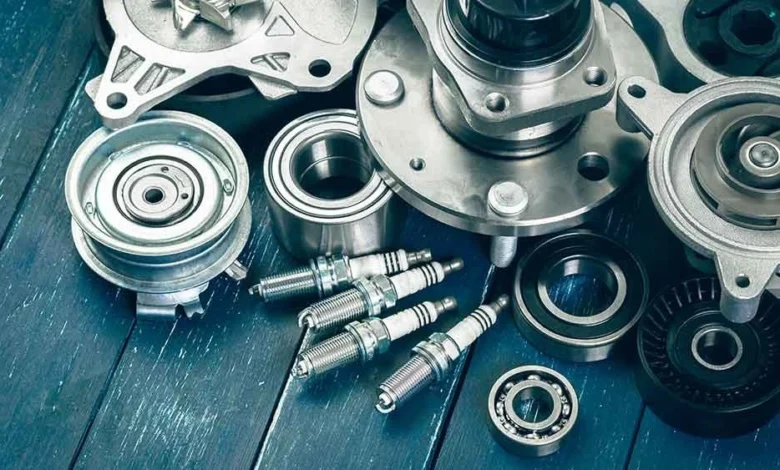
Auto parts are mechanical, electrical, and structural components used in vehicles to ensure proper functioning. They include both internal systems such as engines and transmissions and external systems such as lighting, braking, and suspension assemblies.
Auto parts are broadly classified into original manufacturer parts and replacement components produced by independent suppliers.
Common examples include:
- Engine components
- Brake systems
- Suspension parts
- Electrical components
- Filters and fluids
- Transmission assemblies
Each category contributes to vehicle safety, performance, and comfort.
Major Categories of Auto Parts
Understanding the major categories helps vehicle owners identify which components require routine inspection or replacement.
Engine Components
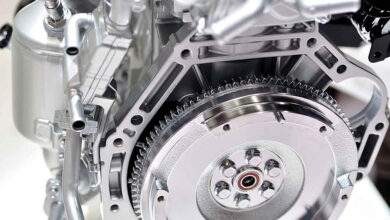
The engine is the central system of any vehicle. It converts fuel into mechanical energy.
Important engine parts include:
- Pistons
- Crankshaft
- Cylinder head
- Timing belt
- Fuel injectors
- Spark plugs
- Engine valves
Regular servicing of these components improves fuel efficiency and prevents breakdowns.
Transmission System
The transmission transfers power from the engine to the wheels.
Key transmission components include:
- Gearbox
- Clutch
- Torque converter
- Driveshaft
A well maintained transmission ensures smooth gear shifting and better driving performance.
Brake System
The braking system ensures vehicle safety by controlling speed and stopping movement.
Major brake components include:
- Brake pads
- Brake discs
- Brake calipers
- Master cylinder
- Brake fluid reservoir
Replacing brake pads at the right time reduces damage to discs and improves safety.
Suspension and Steering Parts
Suspension and steering systems maintain ride comfort and vehicle stability.
Important suspension components include:
- Shock absorbers
- Coil springs
- Control arms
- Ball joints
- Tie rods
These parts help maintain proper wheel alignment and reduce vibration during driving.
Electrical Components
Modern vehicles rely heavily on electrical systems.
Common electrical auto parts include:
- Battery
- Alternator
- Starter motor
- Wiring harness
- Sensors
- Headlights and indicators
Faulty electrical components can affect engine performance and safety features.
Types of Auto Parts Available in the Market
Auto parts are available in several categories depending on manufacturing source and quality standards.
OEM Parts
Original Equipment Manufacturer parts are produced by the same manufacturer that built the vehicle.
Advantages include:
- Perfect compatibility
- Reliable performance
- Warranty support
- Longer service life
These parts are usually more expensive but offer better assurance of quality.
Aftermarket Parts
Aftermarket parts are produced by independent manufacturers.
Benefits include:
- Lower cost
- Wider availability
- Multiple quality options
- Performance upgrade possibilities
Quality varies depending on the brand.
Genuine Replacement Parts
These parts are manufactured according to vehicle manufacturer specifications but may be sold under different branding.
They offer balanced cost and reliability.
Importance of Choosing Quality Auto Parts
Selecting the right auto parts improves vehicle reliability and reduces maintenance costs.
High quality components help:
- Improve fuel efficiency
- Enhance safety
- Extend engine life
- Reduce unexpected repairs
- Maintain resale value
Poor quality parts can lead to performance issues and frequent breakdowns.
Signs That Auto Parts Need Replacement
Recognizing early warning signs helps prevent major mechanical failures.
Common indicators include:
- Unusual engine noise
- Reduced braking efficiency
- Excessive vibration
- Poor fuel mileage
- Warning lights on dashboard
- Difficulty starting the vehicle
Timely replacement ensures safe and efficient vehicle operation.
Maintenance Tips to Extend the Life of Auto Parts
Routine maintenance significantly increases the lifespan of vehicle components.
Effective maintenance practices include:
- Regular engine oil replacement
- Timely filter changes
- Brake inspection every service interval
- Battery terminal cleaning
- Wheel alignment checks
- Suspension inspection on rough road usage
Preventive maintenance reduces long term repair expenses.
Tips for Buying Auto Parts
Buying the correct component ensures compatibility and performance.
Consider these factors before purchasing:
- Verify part number compatibility
- Choose trusted manufacturers
- Compare warranty coverage
- Check vehicle model specifications
- Avoid extremely low cost components without certification
- Consult experienced mechanics if unsure
Careful selection prevents installation issues and repeat repairs.
Future Trends in Auto Parts Industry
The automotive industry continues evolving with technological innovation.
Key trends shaping auto parts development include:
- Growth of electric vehicle components
- Smart sensors and electronics integration
- Lightweight material usage
- Advanced safety system components
- Environment friendly manufacturing techniques
These advancements are improving vehicle efficiency and sustainability.
Frequently Asked Questions
What is the difference between OEM and aftermarket auto parts
OEM parts are produced by the original vehicle manufacturer and guarantee compatibility, while aftermarket parts are produced by third party companies and vary in quality and price.
How often should brake pads be replaced
Brake pads typically require replacement every 30000 to 70000 kilometers depending on driving conditions and vehicle usage.
Are aftermarket auto parts reliable
Many aftermarket parts are reliable if purchased from reputable brands, but quality varies across manufacturers.
Why is regular replacement of engine filters important
Engine filters prevent contaminants from entering the engine and improve performance, fuel efficiency, and engine lifespan.
Can using low quality auto parts damage a vehicle
Yes low quality components can cause premature wear, reduced efficiency, and safety risks.
How do I identify the correct auto part for my vehicle
Check the vehicle manual, confirm the part number, or consult a qualified technician before purchasing.
Which auto parts require regular inspection
Brake components, engine oil, filters, suspension parts, battery, and tires should be inspected at regular service intervals.