Car Engine Parts: Functions, Types, and Maintenance Essentials Every Vehicle Owner Should Know

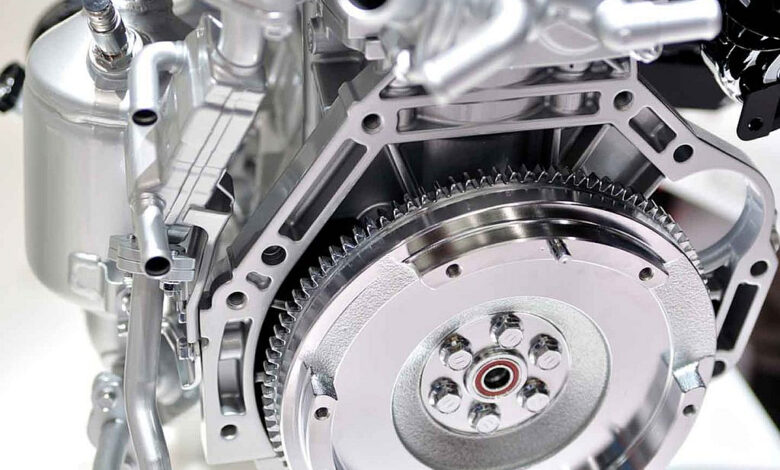
Car engine parts are the foundation of vehicle performance. The engine converts fuel into mechanical energy that powers the wheels, supports acceleration, and maintains smooth operation across driving conditions. Understanding the structure and function of engine components helps vehicle owners improve maintenance practices, detect early warning signs, and make informed replacement decisions.
This guide explains the major engine parts, their roles, common problems, maintenance tips, and buying considerations.
What Are Car Engine Parts
Car engine parts are interconnected mechanical components that work together to generate controlled combustion and convert thermal energy into motion. Each component performs a precise task that supports fuel efficiency, performance stability, and engine longevity.
These components operate under high temperature and pressure conditions, making regular inspection essential.
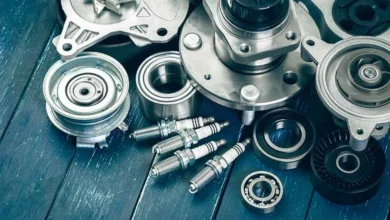
Common engine parts include:
- Cylinder block
- Pistons
- Crankshaft
- Camshaft
- Valves
- Timing belt or chain
- Fuel injectors
- Spark plugs
Proper coordination among these components ensures efficient engine performance.
Main Components of a Car Engine
Understanding the core engine structure helps drivers identify maintenance priorities.
Cylinder Block
The cylinder block forms the backbone of the engine. It houses cylinders, pistons, coolant passages, and lubrication channels.
Key functions include:
- Supporting internal engine components
- Maintaining combustion chambers
- Allowing coolant circulation
- Supporting crankshaft rotation
A strong cylinder block ensures engine durability and structural stability.
Pistons
Pistons move up and down inside cylinders during combustion.
Their responsibilities include:
- Compressing the air fuel mixture
- Transferring combustion force to the crankshaft
- Supporting engine power generation
Damaged pistons reduce performance and increase oil consumption.
Crankshaft
The crankshaft converts piston motion into rotational movement that drives the wheels.
Its role includes:
- Transforming vertical piston motion into rotation
- Supporting smooth engine operation
- Balancing engine movement
A well lubricated crankshaft improves engine efficiency and lifespan.
Camshaft
The camshaft controls the opening and closing of intake and exhaust valves.
Functions include:
- Synchronizing valve timing
- Improving combustion efficiency
- Supporting smooth airflow into cylinders
Incorrect camshaft timing can significantly affect performance.
Engine Valves
Valves regulate airflow into and out of combustion chambers.
There are two main types:
- Intake valves
- Exhaust valves
Proper valve timing improves fuel combustion and engine output.
Timing Belt or Timing Chain
The timing mechanism ensures coordination between crankshaft and camshaft movement.
Benefits include:
- Maintaining precise valve timing
- Preventing piston valve collision
- Supporting smooth engine operation
Delayed replacement may lead to severe engine damage.
Fuel Injectors
Fuel injectors deliver controlled fuel quantities into the combustion chamber.
Their role supports:
- Efficient fuel distribution
- Improved combustion precision
- Reduced emissions
Clogged injectors can reduce engine performance.
Spark Plugs
Spark plugs ignite the compressed air fuel mixture inside cylinders.
Their functions include:
- Starting combustion
- Supporting engine power generation
- Improving fuel efficiency
Faulty spark plugs often cause engine misfires.
Supporting Engine Systems
Besides primary components, supporting systems maintain safe engine operation.
Cooling System
The cooling system regulates engine temperature.
Major components include:
- Radiator
- Coolant reservoir
- Water pump
- Thermostat
Proper cooling prevents overheating and internal damage.
Lubrication System
The lubrication system reduces friction between moving parts.
Key components include:
- Engine oil
- Oil pump
- Oil filter
Clean lubrication improves engine efficiency and durability.
Air Intake System
The air intake system supplies clean oxygen for combustion.
Important parts include:
- Air filter
- Intake manifold
- Throttle body
Blocked airflow reduces engine performance.
Exhaust System
The exhaust system removes combustion gases safely.
Components include:
- Exhaust manifold
- Catalytic converter
- Muffler
Efficient exhaust flow improves engine performance and emissions control.
Warning Signs of Engine Part Failure
Early detection prevents costly repairs.
Common symptoms include:
- Engine knocking noise
- Excessive exhaust smoke
- Poor fuel efficiency
- Engine overheating
- Difficulty starting
- Loss of acceleration power
Immediate inspection reduces long term damage risks.
Maintenance Tips for Engine Parts
Regular maintenance ensures reliable performance and extends service life.
Recommended practices include:
- Replace engine oil at scheduled intervals
- Inspect spark plugs regularly
- Clean or replace air filters
- Monitor coolant levels
- Check timing belt condition
- Use manufacturer recommended fuel grade
Consistent servicing improves overall vehicle reliability.
How to Choose the Right Engine Parts
Selecting suitable replacement parts ensures compatibility and performance stability.
Important selection factors include:
- Vehicle model compatibility
- Manufacturer specifications
- Warranty coverage
- Material quality standards
- Trusted supplier reputation
- Professional installation support
Choosing the correct component reduces repeated repairs.
Benefits of Maintaining Engine Parts Properly
Routine maintenance provides measurable advantages.
These include:
- Improved fuel efficiency
- Better engine response
- Reduced repair costs
- Lower emission levels
- Longer engine lifespan
- Higher resale value
Preventive care supports consistent vehicle performance.
Frequently Asked Questions
What is the most important engine component in a car
The cylinder block is considered the core structural component because it supports most internal engine parts and combustion chambers.
How long do spark plugs typically last
Spark plugs usually last between 20000 and 60000 kilometers depending on driving conditions and plug type.
Can dirty fuel injectors affect mileage
Yes clogged fuel injectors disrupt fuel delivery and reduce combustion efficiency which lowers mileage.
What happens if the timing belt breaks while driving
A broken timing belt can stop engine operation immediately and may damage valves and pistons in many vehicles.
Why does engine overheating occur frequently
Overheating usually results from coolant leaks, radiator blockage, thermostat failure, or water pump malfunction.
Is engine oil quality important for performance
High quality engine oil reduces friction, improves lubrication, and protects internal components from wear.
How often should the air filter be replaced
Air filters generally require replacement every 10000 to 15000 kilometers depending on driving environment and road conditions.