

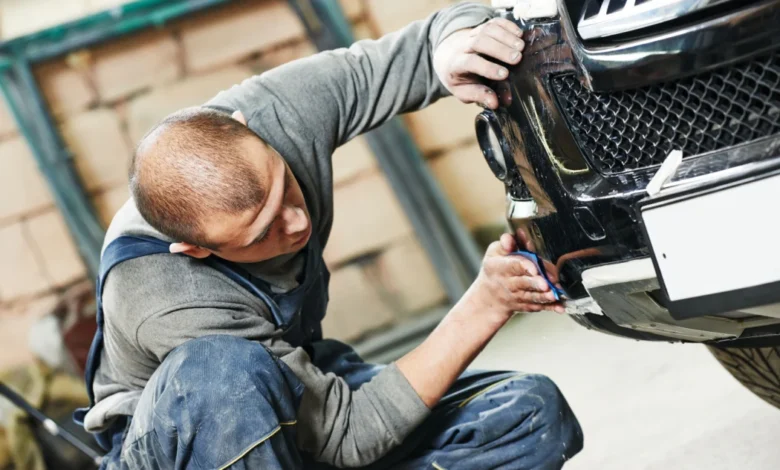
After a serious collision, repairing a vehicle is not simply a matter of replacing damaged panels and applying new paint. An impact can affect the structure underneath, particularly on pickup trucks, SUVs and light commercial vehicles built on a ladder frame. Before the vehicle returns to the road, the repair team needs to confirm that the structure has been properly corrected and that later repairs have been completed on a stable base.
During structural work, auto body frame pulling clamps are used to hold the vehicle firmly on a repair bench or floor system while damaged areas are measured, pulled and realigned. They prevent movement while force is applied, allowing technicians to work on the frame in a controlled way and check its position as the repair develops.
Structural Damage Is Checked First
Visible collision damage does not always show the full extent of the repair required. A crushed panel, bent bumper or damaged wheel area may be accompanied by movement in the chassis or mounting points beneath the body. This is why a major repair begins with an inspection and structural measurement rather than an immediate focus on appearance. Technicians compare points on the vehicle against the required dimensions to identify where the frame has moved and how the repair should be approached. Without that information, new parts could be fitted onto a structure that is still out of position.
The Vehicle Must Stay Secure During Correction
Once structural damage has been identified, the vehicle is secured before any pulling begins. On ladder-frame vehicles, anchoring equipment attaches to suitable frame or axle points and holds the vehicle steady throughout the correction process. This gives pulling equipment a firm base to work against and allows the technician to direct force where it is needed. Some impacts create damage in several directions, so the repair may involve repeated measurement and more than one controlled pull. The aim is not to make damaged metal look straight from the outside. It is to return important structural points to the correct position before the job moves forward.
Replacement Parts Depend on Accurate Alignment
A major collision repair may include section replacement, suspension checks, wheel alignment, body panels, lights, trim and paintwork. Those later stages depend on the structural repair being completed accurately. A panel may not fit correctly if the underlying frame is still distorted, and wheel alignment issues can remain if the vehicle structure has not been restored to its required dimensions. Holding the vehicle securely during frame correction and any structural replacement work helps ensure that parts are fitted to a properly positioned base rather than being adjusted around unresolved damage.
Checks Continue Before the Vehicle Is Released
The repair is not finished when the outside of the vehicle looks complete. Measurements may be repeated after structural work, followed by checks on alignment, fitted components and other systems affected by the impact. For work vehicles and larger ladder-frame models, this stage matters because the vehicle may soon return to regular carrying, towing or commercial use.
A major repair involves work that most owners never see once the vehicle is collected. Accurate measuring, secure anchoring and careful frame correction all happen before the finished paintwork and replaced panels become the visible result. What matters before the vehicle goes back on the road is that the repair beneath the surface has been completed correctly.


