

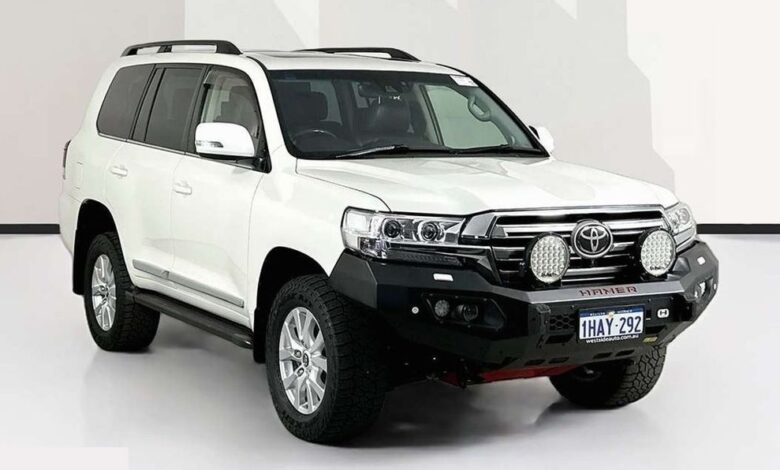
A used LandCruiser 200 Series can be a strong pick for family touring when the variant and history line up with actual travel plans. It isn’t right for every household. Fit comes down to space needs and the costs of towing and upkeep.
What family touring really demands
Family touring is mixed use. The same wagon handles school runs and long highway stretches with kids and gear. Dirt roads and dust add strain that doesn’t show up on a short city test drive. A large wagon with full-time 4WD and a diesel V8 suits those trips for many families, yet size brings trade-offs in parking lots and tight garages.
Parents should map a normal year, considering how often all seats are filled and how often the wagon is loaded to the roof. Long gaps between towns punish poor cooling and tired suspension. Corrugations find rattles and loose trim fast. An honest look at those demands points to the right size and spec before money changes hands.
Space for people and gear in daily life
Extra rear seats are the draw for larger families. They let one car handle the school carpool and weekend touring. Inspect how the rearmost seats stow on the exact vehicle and how much space remains when all required seats are in use. Seat arrangements and fitted storage affect the usable load area. A roof basket or trailer brings its own weight, access and rating considerations rather than creating capacity without a trade-off.
Child seats decide fit fast. Trial-fit every child seat in the exact row and position planned for use, then follow the vehicle manual and the restraint maker’s guides for belts and anchor use. Check door access and step height while kids climb in with shoes and jackets on. Check rear airflow on hot days and sight lines for smaller riders.
A driveway test pack beats guesswork.
Daily size matters too. The 200 Series is wide and tall, so check garage depth and street parking near home. A tight turn that works in a small hatch can need extra space here. Anyone who will drive it should assess visibility and parking comfort during a permitted test drive, subject to license and seller requirements.
Trim levels and history matter more than mileage
GX, GXL, VX, and Sahara trims look alike from a distance but differ a lot in cabin finish and comfort gear. One used example may have cloth and plain floors that shrug off sand. Another may have leather and extra rear climate controls that help on long summer drives. The build plate and option list on that exact car tell more of the story than the badge alone.
Used LandCruiser listings can cover quite different combinations of age, mileage, condition and equipment. A higher-mileage tourer with full logbooks and receipts can be a better buy than a low-mileage city car with gaps in records. Look for consistent servicing, a clean underbody and even tire wear. If towing is planned, note whether a tow bar and trailer brake controller are already fitted.
Once a trim and service standard is settled, working through the 200 series landcruiser for sale stock shows how condition and fitted gear differ from one wagon to the next. Photos help, but a physical check and cold start reveal far more.
Touring add-ons tell a story. A bull bar or dual-battery setup needs its own installation records and condition check, even when it looks tidy. Scuffed tow points and bent bash plates can point to hard use. Neither detail decides the buy alone. Service stamps and a clear inspection matter more.
Towing and load limits need paperwork
Tow ratings cause the most confusion. Don’t trust memory or ads. Check the exact limits in the owner’s manual and on the plates fitted to that vehicle. Ratings depend on the exact specification and any approved modifications. Accessories add weight and reduce the remaining allowance; they do not automatically change the rated limits.
Real payload shrinks fast. People and bulky gear draw from the same allowance, and towball load counts too. A qualified tow specialist can weigh the setup and advise on brake control and mirrors. Skip guesswork here.
Trial-pack the setup while stationary, with the whole family inside and typical bags loaded. Check sag and rear vision. Once weights have been assessed and the setup is within its limits, short trips near home can reveal issues before a long haul.
Running costs and upkeep before purchase
Purchase price is only the entry fee. Fuel use climbs when the wagon is loaded or towing into wind. Price replacement tires for the actual wheel size and obtain service and insurance quotes for the candidate vehicle. Those costs vary with specification, use and condition rather than size alone. Families should budget for upkeep first and accessories second.
Diesel emission hardware adds another check. Ask an independent mechanic whether planned trip types suit the system fitted to that car. Don’t rely on seller claims. Access to parts through regional service centers matters to touring owners, while service needs after purchase depend on the vehicle’s condition and history. A pre-purchase inspection with a road test and scan should come before any deposit.
The right used 200 Series makes family touring calm and simple; the wrong one adds bills and stress. Match seats and cargo to real life and buy only after the towing paperwork and inspection look right.


