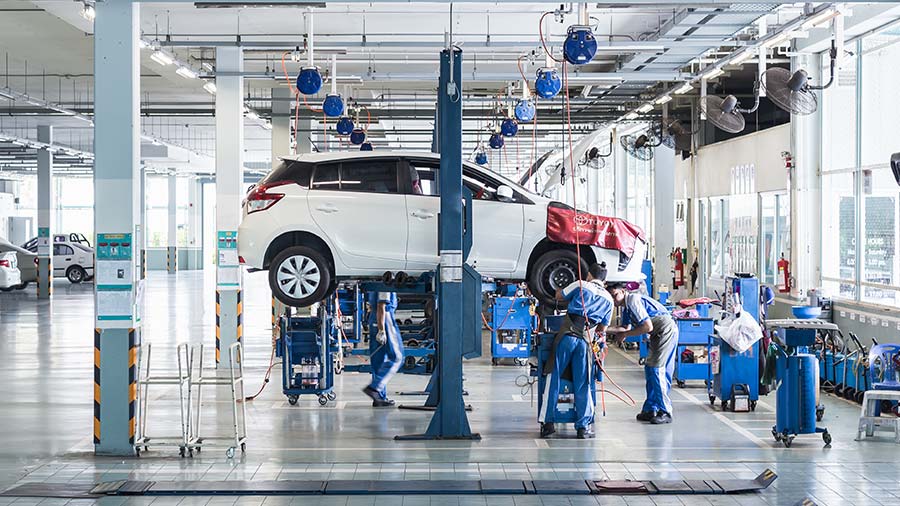
Car Repair

Car Repair: A Practical Guide to Understanding, Maintaining, and Fixing Your Vehicle

Introduction to Car Repair

Car repair is an essential part of vehicle ownership. Whether it involves routine maintenance or addressing unexpected breakdowns, understanding how repairs work helps drivers save money, improve safety, and extend the life of their vehicles.

Modern vehicles combine mechanical components, electronics, and software systems. As a result, effective repair requires both traditional mechanical knowledge and familiarity with diagnostic tools. Even basic awareness of common repair tasks can help vehicle owners communicate better with technicians and make informed decisions.

Why Regular Car Repair and Maintenance Matter

Routine maintenance prevents minor issues from becoming expensive repairs. Ignoring warning signs often leads to component failure that affects other parts of the vehicle.

Key benefits include:

  • Improved vehicle safety
  • Better fuel efficiency
  • Reduced long-term repair costs
  • Increased resale value
  • Longer engine lifespan

Regular inspections also help detect hidden problems early, such as fluid leaks, worn belts, or battery weakness.

Common Types of Car Repairs

Understanding the most frequent repair categories helps drivers recognize issues quickly and respond appropriately.

Engine Repairs

The engine is the most complex and expensive component of a vehicle. Typical engine-related repairs include:

  • Spark plug replacement
  • Timing belt replacement
  • Fuel injector servicing
  • Cooling system repairs
  • Oil leak correction

Symptoms such as unusual noises, smoke, overheating, or reduced performance should never be ignored.

Brake System Repairs

The braking system directly affects vehicle safety. Common brake issues include:

  • Worn brake pads
  • Damaged brake discs
  • Brake fluid leaks
  • Soft or vibrating brake pedal

Regular brake inspections reduce the risk of accidents and improve stopping performance.

Electrical System Repairs

Modern cars rely heavily on electronics. Frequent electrical repairs involve:

  • Battery replacement
  • Alternator repairs
  • Starter motor issues
  • Sensor malfunctions
  • Lighting system failures

Dashboard warning lights often indicate electrical faults that require immediate diagnosis.

Suspension and Steering Repairs

Suspension components ensure stability and comfort while driving.

Common issues include:

  • Shock absorber wear
  • Steering misalignment
  • Broken suspension springs
  • Loose control arms

These problems may cause uneven tire wear or difficulty handling the vehicle.

Signs Your Car Needs Immediate Repair

Drivers should watch for warning signs that indicate urgent repair needs.

Important indicators include:

  • Warning lights on the dashboard
  • Strange engine noises
  • Reduced fuel efficiency
  • Difficulty starting the vehicle
  • Fluid leaks under the car
  • Burning smells during driving
  • Excessive exhaust smoke

Addressing these symptoms early prevents serious mechanical damage.

Essential Car Maintenance Tasks Every Owner Should Know

Basic maintenance tasks improve reliability and reduce unexpected breakdowns.

Engine Oil Replacement

Engine oil lubricates moving parts and prevents overheating. It should be replaced regularly based on manufacturer recommendations.

Tire Maintenance

Proper tire care includes:

  • Checking air pressure
  • Inspecting tread depth
  • Rotating tires periodically
  • Maintaining wheel alignment

These steps improve handling and extend tire life.

Battery Inspection

Battery terminals should remain clean and secure. Weak batteries often cause starting problems and electrical failures.

Fluid Level Monitoring

Important fluids to check include:

  • Engine oil
  • Coolant
  • Brake fluid
  • Transmission fluid
  • Power steering fluid

Maintaining correct fluid levels ensures smooth vehicle operation.

Tools Commonly Used in Car Repair

Professional repair technicians rely on specialized equipment to diagnose and fix problems efficiently.

Common tools include:

  • Socket wrench sets
  • Screwdrivers
  • Diagnostic scanners
  • Hydraulic jacks
  • Torque wrenches
  • Multimeters

Having a small toolkit at home allows drivers to handle simple maintenance tasks independently.

When to Choose Professional Car Repair Services

Some repairs require technical expertise and specialized equipment.

Professional service is recommended when:

  • Warning lights remain active
  • The engine overheats repeatedly
  • Transmission problems occur
  • Electrical faults persist
  • Braking performance decreases
  • Suspension noise becomes noticeable

Certified technicians ensure accurate diagnosis and reliable repairs.

Tips to Reduce Car Repair Costs

Smart vehicle ownership habits can significantly lower maintenance expenses.

Helpful strategies include:

  • Following scheduled service intervals
  • Driving smoothly and avoiding sudden braking
  • Using quality replacement parts
  • Keeping tires properly inflated
  • Fixing minor problems early
  • Maintaining service records

Preventive maintenance remains the most effective way to control repair costs.

Choosing the Right Car Repair Workshop

Selecting a reliable repair facility improves service quality and reduces long-term issues.

Consider the following factors:

  • Technician experience and certification
  • Transparent pricing policies
  • Availability of diagnostic equipment
  • Customer reviews and reputation
  • Warranty on repair services

A trustworthy workshop ensures accurate repairs and dependable performance.

Conclusion

Car repair is not only about fixing problems after they occur but also about maintaining vehicle reliability through regular inspections and preventive care. Understanding common repair needs, recognizing early warning signs, and selecting professional service providers when necessary helps vehicle owners keep their cars safe, efficient, and long-lasting.

Frequently Asked Questions

1. How often should a car be serviced?

Most vehicles require servicing every 5,000 to 10,000 kilometers depending on usage conditions and manufacturer recommendations.

2. What causes a car engine to overheat?

Low coolant levels, radiator problems, thermostat failure, or water pump issues commonly lead to engine overheating.

3. Can ignoring warning lights damage a vehicle?

Yes. Warning lights indicate system faults that may worsen and lead to costly repairs if ignored.

4. How long do brake pads typically last?

Brake pads usually last between 30,000 and 70,000 kilometers depending on driving habits and road conditions.

5. Is it safe to drive with uneven tire wear?

Uneven tire wear affects vehicle stability and braking performance and should be corrected immediately.

6. Why does a car battery drain quickly?

Common causes include aging batteries, electrical faults, leaving lights on, or alternator failure.

7. What is the importance of wheel alignment?

Proper wheel alignment improves steering control, reduces tire wear, and enhances overall driving safety.

Related Articles

Check Also
Close
Back to top button