

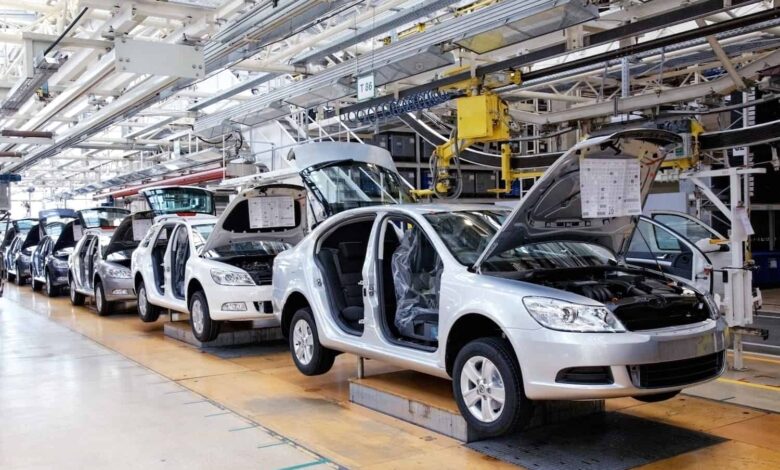
The automotive sector is one of the most influential industries shaping modern mobility, economic growth, and technological innovation. From early mechanical vehicles to today’s intelligent electric platforms, automobiles continue to redefine how people travel, work, and interact with their surroundings.
This article explores the transformation of the automotive industry, emerging technologies, vehicle categories, environmental considerations, and what the future holds for mobility worldwide.
The Evolution of the Automotive Industry
The journey of automobiles reflects continuous engineering progress and changing consumer expectations.
Early Mechanical Innovation
The earliest vehicles were powered by steam and later internal combustion engines. These machines prioritized functionality over comfort, but they laid the foundation for mass mobility.
Key milestones included:
- Introduction of mass production techniques
- Standardization of automotive components
- Expansion of road infrastructure
- Growth of global automotive manufacturers
Mass production revolutionized accessibility by reducing manufacturing costs and making vehicles available to the middle class.
Transition Toward Modern Engineering
Modern vehicles integrate electronics, advanced safety systems, and fuel-efficient engines. Today’s automobiles prioritize:
- driver comfort
- digital connectivity
- safety performance
- environmental responsibility
This shift reflects the industry’s adaptation to both regulatory requirements and consumer expectations.
Major Types of Automobiles in Today’s Market
Different vehicle categories serve distinct transportation needs across personal and commercial applications.
Passenger Cars
Passenger cars remain the most common vehicle type globally. They are designed primarily for everyday commuting and urban mobility.
Common advantages include:
- compact size
- fuel efficiency
- affordability
- easy maneuverability
Sport Utility Vehicles
SUVs have gained popularity due to their versatility and elevated driving position.
Typical features include:
- spacious interiors
- higher ground clearance
- strong road presence
- suitability for mixed terrain
Pickup Trucks
Pickup trucks are widely used in logistics, agriculture, and construction environments. Their cargo capacity makes them practical for heavy-duty tasks.
Electric Vehicles
Electric vehicles are becoming increasingly mainstream as charging infrastructure expands and battery technologies improve.
They offer:
- zero tailpipe emissions
- lower operating costs
- quieter operation
- reduced dependence on fossil fuels
Key Technologies Transforming Modern Vehicles
Automotive innovation now focuses heavily on safety, connectivity, and sustainability.
Advanced Driver Assistance Systems
Modern vehicles increasingly include intelligent safety systems designed to support drivers during operation.
Examples include:
- lane keeping assistance
- adaptive cruise control
- automatic emergency braking
- blind spot monitoring
These systems reduce accident risks and improve driving confidence.
Connected Vehicle Technology
Vehicles today function as digital platforms capable of communicating with smartphones, infrastructure, and cloud services.
Benefits include:
- real-time navigation updates
- remote diagnostics
- predictive maintenance alerts
- enhanced entertainment options
Electrification and Battery Innovation
Battery performance plays a critical role in electric mobility adoption. Improvements in energy density and charging speed continue to enhance vehicle practicality.
As battery costs decline, electric vehicles become more accessible to a broader population.
Environmental Impact and Sustainable Mobility
Environmental responsibility is a central focus of the automotive industry today.
Governments worldwide are encouraging cleaner transportation through emissions regulations and incentives for alternative fuel vehicles.
Sustainable strategies include:
- hybrid vehicle adoption
- electric mobility expansion
- lightweight material usage
- improved fuel efficiency technologies
Manufacturers are also investing in recyclable materials and greener production processes.
The Role of Automation in Future Transportation
Automation represents one of the most transformative developments in mobility.
Self-driving technologies rely on sensors, artificial intelligence, and mapping systems to enable vehicles to operate with reduced human input.
Potential advantages include:
- reduced traffic congestion
- improved road safety
- increased accessibility for elderly and disabled passengers
- optimized fuel consumption
Although fully autonomous vehicles are still evolving, partial automation is already widely available.
Challenges Facing the Automotive Industry
Despite rapid progress, several challenges continue to shape the industry’s direction.
Major concerns include:
- rising raw material costs
- semiconductor supply shortages
- infrastructure limitations for electric mobility
- regulatory complexity across global markets
Addressing these issues requires cooperation between governments, manufacturers, and technology providers.
The Future of the Automotive Industry
The next generation of vehicles will combine electrification, connectivity, and automation to create smarter transportation ecosystems.
Future developments are expected to include:
- expansion of charging networks
- improved battery range
- integration of artificial intelligence in driving systems
- shared mobility platforms
- smarter urban transportation planning
As technology advances, vehicles will increasingly become intelligent mobility solutions rather than simple transportation tools.
Frequently Asked Questions
What is the difference between hybrid vehicles and electric vehicles
Hybrid vehicles use both an internal combustion engine and an electric motor, while electric vehicles rely entirely on battery-powered propulsion.
Why are electric vehicles becoming more popular worldwide
Electric vehicles are gaining popularity due to lower operating costs, environmental benefits, and improvements in battery technology and charging infrastructure.
How does connected car technology improve safety
Connected vehicles receive real-time traffic updates, predictive maintenance alerts, and navigation assistance that help drivers make safer decisions on the road.
What factors influence fuel efficiency in vehicles
Fuel efficiency depends on engine design, vehicle weight, driving habits, maintenance quality, and road conditions.
Are autonomous vehicles already available for everyday use
Fully autonomous vehicles are still under development, but many cars today include partial automation features such as adaptive cruise control and lane assistance.
How often should a vehicle undergo maintenance servicing
Most vehicles require routine servicing every six months to one year depending on usage and manufacturer recommendations.
What role does artificial intelligence play in modern automobiles
Artificial intelligence supports driver assistance systems, navigation optimization, predictive maintenance, and autonomous driving technologies.


